Your First Cardiology Appointment: What to Expect
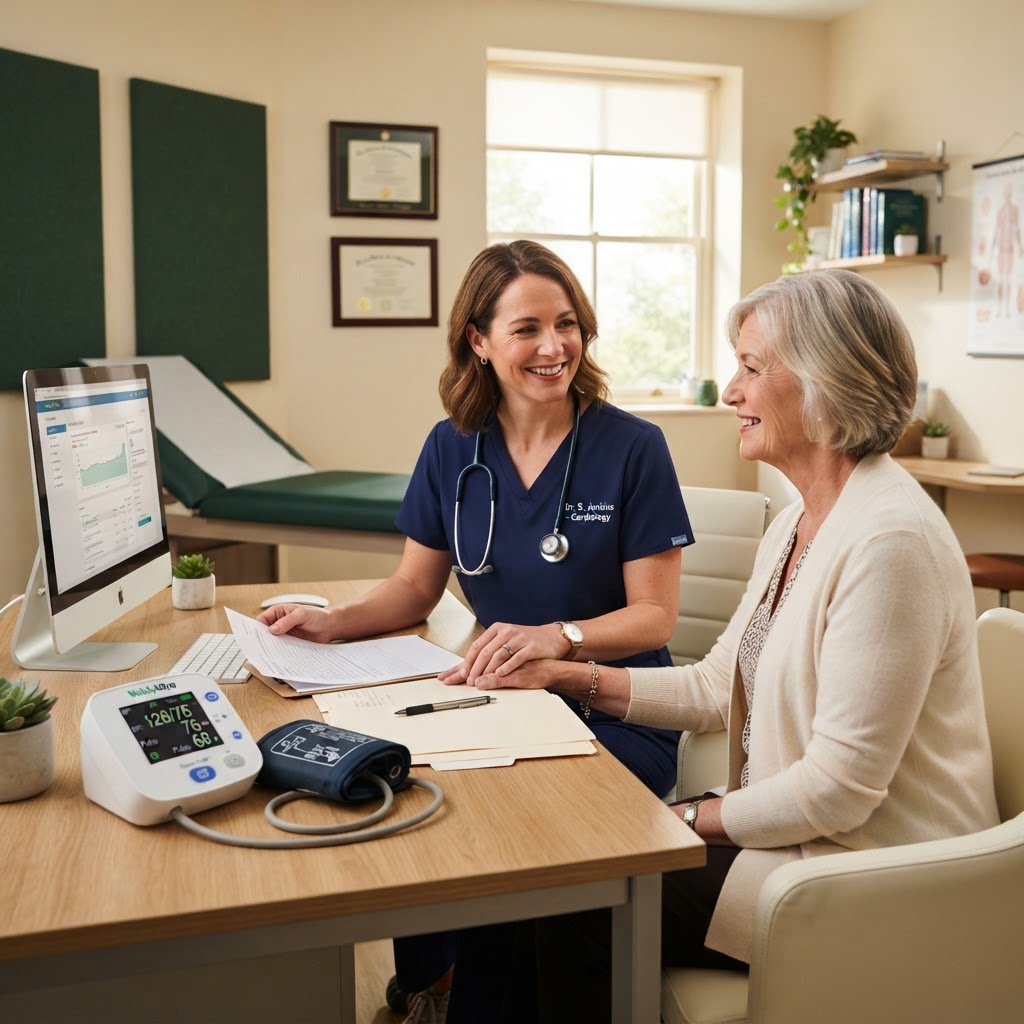
Understanding Your First Visit to a Cardiologist
Walking into a cardiologist's office for the first time can feel overwhelming. Whether you were referred by your primary care physician due to high blood pressure, palpitations, or a family history of heart disease, knowing what to expect can help ease your nerves. At HelloDoc360, we believe that informed patients are empowered patients.
If you are having chest pain, pressure, or shortness of breath right now, don't wait for your appointment. Call 911.
The Intake Process: Gathering Your Health Story
Your appointment will likely begin with a comprehensive review of your medical history. The cardiologist or their clinical team will want to understand the full scope of your cardiovascular health. Be prepared to provide details about:
- Any current or past symptoms, such as chest pain, shortness of breath, or dizziness.
- Your family history of heart conditions, including strokes or heart attacks.
- Lifestyle habits, including diet, exercise routines, and smoking status.
- A complete list of your current medications and dosages.
- Your referral, insurance card, and photo ID.
- Copies of any recent test results, such as earlier EKGs or blood work.
Diagnostic Testing: Getting a Clear Picture
Once your history is recorded, the doctor will conduct a physical examination. This typically involves listening to your heart and lungs, checking for fluid retention, and measuring your blood pressure. Depending on your symptoms, your cardiologist may order initial diagnostic tests, which often include:
- Electrocardiogram (ECG or EKG): A quick, painless test that records the electrical activity of your heart.
- Echocardiogram: An ultrasound that uses sound waves to create moving images of your heart.
- Blood Tests: Used to check cholesterol levels, blood sugar, and specific heart health markers.
Asking the Right Questions
To get the most out of your visit, it is essential to be an active participant in your care. Don’t hesitate to ask your doctor questions during the consultation. Some helpful questions include:
- What do these test results mean for my long-term heart health?
- Are there specific lifestyle changes that could reduce my risk factors?
- Do I need further diagnostic testing, and if so, why?
- What are the potential side effects of the medications you are recommending?
Practical Tips for Your Appointment
Preparation is key to a productive visit. Wear comfortable clothing, as you may be asked to change into a gown for the physical exam or testing. Bring a notebook to jot down key insights or instructions. Most importantly, try to be as honest as possible about your lifestyle and symptoms—your doctor needs a full picture to provide the best possible care. Ask the office ahead of time whether you should fast before any blood work, and whether to take your usual medications the morning of your visit.
Take Control of Your Heart Health
Navigating the healthcare system doesn't have to be complicated. If you are looking for an expert cardiologist who meets your specific needs and takes your insurance, we are here to help. Use HelloDoc360 to search, compare, and book your next appointment with ease. Your heart health is a priority—find your trusted provider on HelloDoc360 today.